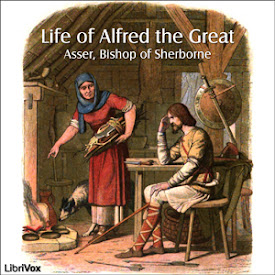
The Life of Alfred the Great
Read by R. S. Steinberg
The Life of Alfred the Great offers a fascinating glimpse into the life of one of England's most revered monarchs. Written by Bishop Asser, this biography chronicles the reign of King Alfred, who is celebrated for his military prowess, educational reforms, and efforts to unite the kingdom during a tumultuous period.
Set against the backdrop of the late 9th century, the narrative explores Alfred's struggles against Viking invasions and his vision for a more literate and cohesive society. Asser, a close confidant of the king, provides unique insights into Alfred's character, leadership, and the challenges he faced in his quest to protect his people.
This work not only serves as a historical account but also reflects the values and aspirations of the time, making it a significant contribution to our understanding of medieval England. With its blend of personal anecdotes and historical context, The Life of Alfred the Great remains a vital resource for anyone interested in the complexities of leadership and the formation of a nation.
Chapters
Select a chapter to play
| Introduction | 2:45 | Read by R. S. Steinberg | |
| Part I, Section 1 | 20:00 | Read by R. S. Steinberg | |
| Part I, Section 2 | 22:56 | Read by R. S. Steinberg | |
| Part I, Section 3 | 25:09 | Read by R. S. Steinberg | |
| Part II, Section 1 | 22:15 | Read by R. S. Steinberg | |
| Part II, Section 2 | 21:15 | Read by R. S. Steinberg | |
| Part II, Section 3 | 22:51 | Read by R. S. Steinberg |
Reviews
Ninth Century History from an Eyewitness


gaboora
Alfred was a renowned hunter and warrior. The narrative is more about wars than hunting though—many, many wars. The king’s contributions include the rebuilding of London and the erection of monasteries. When souls could not be convinced to fill the monasteries, children were forced into them. It must be remembered that this is written by a bishop who does not want to embarrass his church nor his king. There is much written between the lines of this anecdote. We should especially consider the allusions to wickedness that are made by this bishop relative to these monasteries that he feels obligated to mention. I was surprised that a king, even in a century known more for darkness than light, was illiterate until the age of twelve and that polished readers could not easily be found in the whole of his kingdom. The Life of King Alfred is a document from the ninth century by a bishop about a leading king of that time; as such, it is an essential register from that era to consult. As literature, it is not remarkable. There is a comment about someone working like a bee in a hive to gather knowledge for the cells of his mind. That is a colorful word picture. The best thought is a quote from Pope Gregory on the rule for giving that King Alfred is alleged to have put into practice: “Give not much to whom you should give little, nor little to whom much, nor something to whom nothing, nor nothing to whom something.” The reader makes no slips, and reads even the difficult Latin notes well.

Charlemagne_33rd
Thank you for the additional clarity regarding the life of this great Saxon King.
Losses steam toward the end
Timothy Ferguson
The writing fo the book seems to taper off toward the end. The reading is good, however.
Sydney Nemetchek
I liked it the only downfall was that it was soo quiet.
ok
justin Wilson
There weren't really any new insights into medieval Britain. Nevertheless, enjoyed it.